What Are the Steps to Buy a House in Northern Virginia? A Clear Guide for First-Time Buyers
The home-buying process in Northern Virginia becomes simple when you follow the right steps—pre-approval, agent selection, home tours, offer strategy, inspections, financing, and closing.

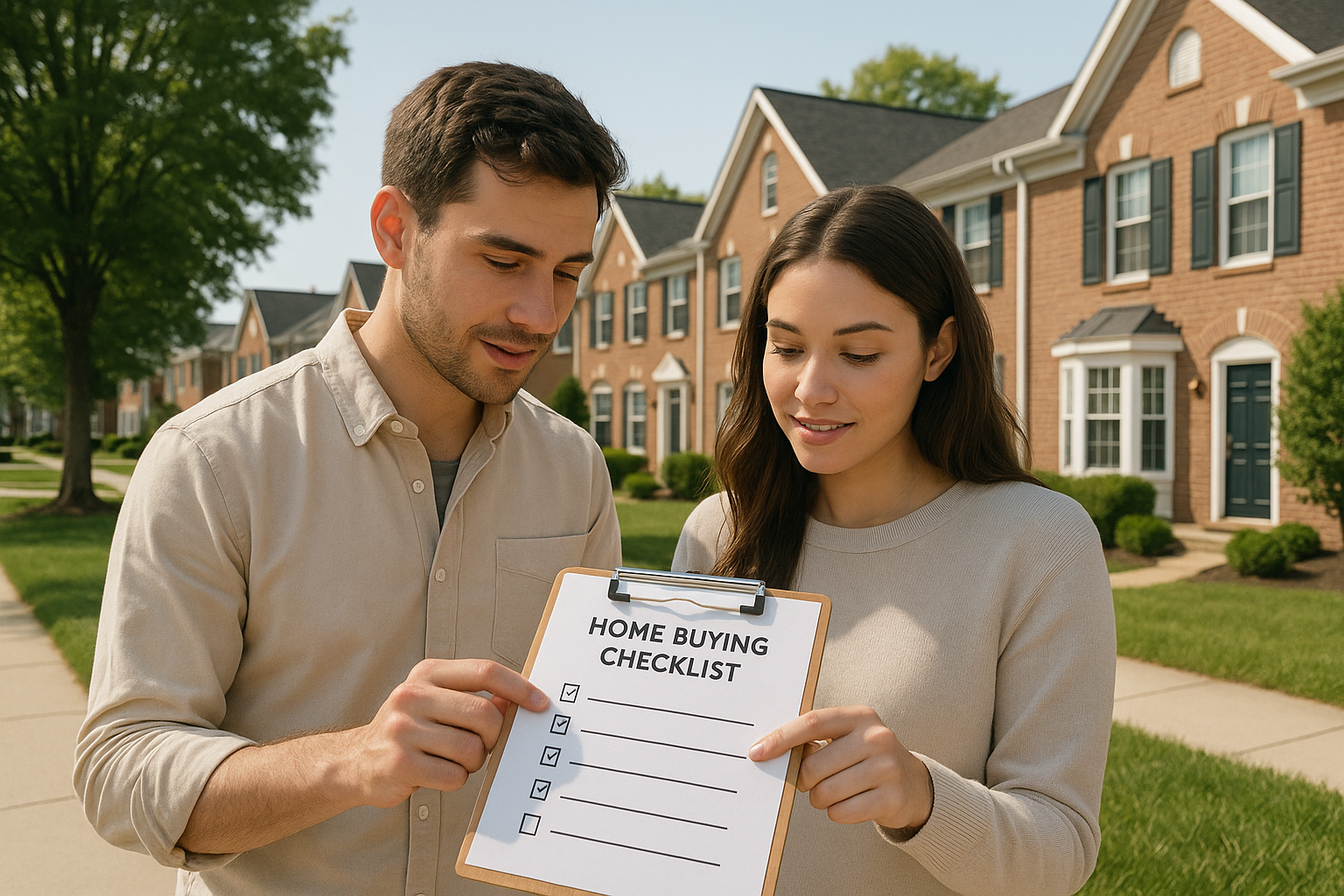
Buying a house in Northern Virginia comes down to a clear sequence: get pre-approved, choose your agent, search and tour homes, make an offer, complete inspections and appraisal, finalize your loan, and close. When you follow these steps in order—with guidance from a local professional—you reduce stress, avoid surprises, and move from “just looking” to “keys in hand” with confidence.
What Are the Steps to Buy a House in Northern Virginia?
- Get pre-approved with a local lender who understands the Northern Virginia market.
- Select a full-time, local buyer’s agent you trust to guide you through the process.
- Search for homes, tour properties, and refine your “must-have” and “nice-to-have” list.
- Make an offer, negotiate terms, and sign a ratified contract.
- Complete inspections, appraisal, and any negotiated repairs or credits.
- Work with your lender to finalize your loan and clear all underwriting conditions.
- Review your final numbers, sign closing documents, and receive your keys.
Walking Through Each Step as a Northern Virginia Buyer
Northern Virginia is a competitive, fast-moving market. That’s exactly why having a simple, step-by-step plan matters. Instead of guessing what comes next, you know where you are in the process and what decisions are ahead of you.
1. Get Pre-Approved With a Local Lender
Your first step isn’t looking at houses online—it’s speaking with a lender. A pre-approval tells you how much you can comfortably afford, what loan programs fit your situation, and what your estimated payment will look like at different price points. In a competitive Northern Virginia market, a strong pre-approval also helps your offer stand out.
2. Choose the Right Buyer’s Agent
Next, choose a local buyer’s agent who treats you like a person, not a transaction. The right agent helps you understand neighborhood differences, commute times, HOA rules, school zones, and resale potential—things that don’t show up on a listing sheet. They’ll also walk you through contracts, timelines, and what to expect at each step.
3. Search, Tour, and Refine Your Criteria
Once you know your budget and have an agent, you can look at homes with a clear purpose. Together, you’ll review listings, schedule tours, and compare what you see in person to what you thought you wanted. Many buyers adjust their priorities after walking through a few homes—and that’s normal. The goal is to get clarity, not rush.
4. Make an Offer and Negotiate Terms
When you find the right home, your agent will help you structure an offer that matches both the property and the current market conditions. That includes price, contingencies, timelines, and any seller concessions you’re requesting. In Northern Virginia, a well-structured offer is often the difference between “almost” and “accepted.”
5. Inspections, Appraisal, and Repairs
Once your offer is accepted, you move into the contingency period. You’ll schedule a home inspection (and possibly additional inspections), your lender will order an appraisal, and you and your agent will review the results. This is your opportunity to negotiate repairs, credits, or—if necessary—rethink your purchase if a major issue appears.
6. Finalize Your Loan
Behind the scenes, your lender is collecting documents, verifying income and assets, and working with underwriting to give your loan final approval. You’ll be asked for updated statements, letters of explanation, or other items along the way. Responding quickly keeps your closing on schedule.
7. Closing Day and Getting the Keys
Before closing, you’ll receive a final breakdown of your numbers to review. On closing day, you’ll sign your loan documents, deed, and other paperwork—either at a title company, attorney’s office, or via remote closing options, depending on what’s available and agreed upon. Once everything is recorded, you get the keys and the home is officially yours.
“I wanted to thank Johnny for being a wonderful agent and really a kind gentleman. I have worked with him for a few years and I find him to be the most genuine and caring agent. He is superb and I recommend him to everyone. He gets to know his clients and treats them like family.” — A. A
Common Misconceptions About Buying a Home in Northern Virginia
“I have to put 20% down or I can’t buy.”
Many buyers purchase with far less than 20% down using widely available loan programs. The right strategy depends on your budget, comfort level, and long-term plans—not a single universal rule.
“I should look at houses first, then talk to a lender.”
In this market, that approach often leads to disappointment. Sellers want to see that you’re financially ready. Getting pre-approved first keeps you from falling in love with homes that don’t fit your budget or timing.
“Any agent can help me—this is all the same.”
Real estate is local and so is the advice. Northern Virginia has unique neighborhoods, pricing patterns, and contract norms. Working with a local expert who listens, explains, and advocates for you makes a real difference.
Important Considerations Before You Start
Your total monthly payment, not just the price.
Taxes, insurance, HOA/condo fees, and interest rates all impact your real monthly cost. A slightly higher-priced home with lower fees can sometimes be more affordable than it looks.
Your timeline and flexibility.
Are you renting month-to-month, in a lease, or selling a current home? Your timing will shape your negotiation strategy, offer terms, and even which properties make sense to consider.
Your comfort level with risk.
Things like appraisal gaps, inspection negotiations, and competitive offer strategies all carry different levels of risk and reward. A good agent explains the options in plain language so you can decide what fits you—not just “what everyone else is doing.”
“I wanted to thank Johnny for being a wonderful agent and really a kind gentleman. I have worked with him for a few years and I find him to be the most genuine and caring agent. He is superb and I recommend him to everyone. He gets to know his clients and treats them like family.” — A. A
FAQ
What credit score do I need to buy a house in Northern Virginia?
Most lenders prefer to see a solid credit profile, but the exact number depends on the loan program. The best move is to speak with a trusted local lender early—they can tell you where you stand today and what small changes might improve your options.
How much do I need for a down payment?
Down payments commonly range from 3% to 20%. Some buyers choose to put more down to lower their monthly payment; others use low-down-payment options so they can keep more cash in reserve. A short conversation with your lender and agent will help you choose the right approach.
How long does it usually take to buy a home?
If you’re starting from scratch, plan on some time to get pre-approved, tour homes, and make offers. Once you’re under contract, many Northern Virginia purchases move from contract to closing in roughly 30–45 days, assuming no major delays.
Do I really need my own buyer’s agent?
You are not required to use a buyer’s agent, but having someone who represents only your interests can simplify decisions, protect you during negotiations, and help you avoid missteps—especially on your first purchase.
What are closing costs, and who pays them?
Closing costs include lender fees, title fees, taxes, and pre-paid items like insurance. Buyers usually pay most of their own closing costs, though in some situations you can negotiate a credit from the seller. Your lender and agent will provide estimates early so you’re not surprised at the end.
Next Steps
If you’re thinking about buying a home in Northern Virginia and want a clear, calm plan instead of guesswork, reach out and start the conversation. There’s no pressure and no obligation—just real answers tailored to your situation.
Call or text Johnny:
Cell: 703-400-9660
Office: 703-357-9200
Learn more or get in touch online:
https://contactjohnny.com